

Uncategorised
War & Oil: Understanding the Markets 2026 Challenges
Apr
The global economy is once again under strain, with energy markets playing a central role.
Two months into the ongoing conflict involving Iran, the United States and its allies, the effects are being felt across multiple sectors in the UK. From rising diesel prices to concerns around supply reliability, current conditions are contributing to a period of economic uncertainty.
What’s Driving the Current Oil Market Pressure?
One of the key factors influencing global oil supply is disruption in the Strait of Hormuz, a critical shipping route through which a significant proportion of the world’s oil supply passes.
Reduced tanker movement and logistical constraints have contributed to tighter supply conditions. As a result, oil markets have experienced increased volatility, with prices rising and supply chains adjusting to new pressures.
These developments have led to:
- Higher energy costs
- Strain on global supply chains
- Increased competition for available fuel resources
Why the UK Is Particularly Exposed
The UK relies on a combination of domestic production and imported fuel. During periods of global disruption, this reliance can increase sensitivity to supply constraints and pricing changes.
Recent developments have included:
- Increased diesel and fuel prices
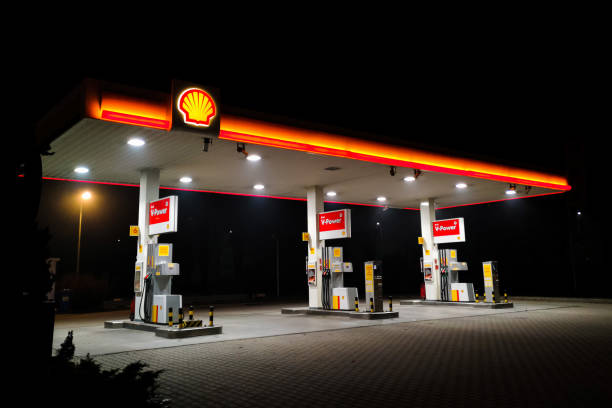
- Localised supply pressures at petrol stations
- Ongoing concerns around fuel availability in certain sectors
Industries such as logistics have also noted the potential impact of sustained disruption, particularly heading into periods of higher seasonal demand.
Diesel Supply and Economic Impact
Diesel remains essential to the functioning of the UK economy. It supports:
- Transport and delivery networks
- Construction and infrastructure projects
- Public services and logistics operations
Rising diesel costs can influence business expenses, which may in turn affect pricing across goods and services.
There is also the potential for:
- Operational delays in transport and logistics
- Increased costs for businesses
- Broader inflationary pressures across the economy
Geopolitical Considerations
The current situation reflects a complex geopolitical environment.
The United States has signalled a willingness to increase involvement, while also facing practical considerations around military resources and long-term engagement. At the same time, discussions continue among Western allies regarding the level and form of support.
The UK has maintained a cautious approach, focusing on stability, economic resilience and strategic positioning.

Wider Economic Effects
Energy market volatility can have wider economic implications. Economists have noted that sustained disruption may contribute to:
- Upward pressure on inflation
- Increased household energy costs
- Slower economic growth
Some countries are already exploring contingency measures such as adjusting energy usage, reviewing supply strategies and increasing reliance on alternative energy sources.
What to Monitor Going Forward
The outlook remains uncertain and will largely depend on how the geopolitical situation evolves.
Key factors to watch include:
- Stability of global oil transport routes
- Changes in supply levels
- Government responses and policy adjustments
If disruption continues, energy markets may remain sensitive, with ongoing implications for businesses and households.
The Role of Gold in Times of Uncertainty
During periods of market uncertainty, some investors review how tangible assets such as physical gold may fit within their broader portfolio. Gold has historically been used as a store of value over the long term, although its price can fluctuate and it has experienced both rises and falls. Market conditions, including price movements and economic uncertainty, may influence when individuals choose to enter the market. Rather than focusing on short-term timing, investors often consider the role gold may play in diversification and long-term wealth preservation, depending on their individual objectives.
Final Thoughts
The UK’s current diesel and energy challenges reflect broader global conditions rather than isolated domestic issues.
Periods like this often highlight the importance of diversification and long-term planning when it comes to financial decision-making. Some investors consider physical assets, such as gold, as part of a diversified approach during times of market uncertainty. Gold has historically been used as a store of value, although its price can fluctuate and it has experienced both rises and falls over time.
If you would like to discuss how physical gold may fit within your broader financial objectives, you can contact Roman Brothers on 0208 080 2848 for further information.
Disclaimer:
The value of gold can rise as well as fall and investors may receive less than they originally invested. Past performance is not a reliable indicator of future results. This communication is for information purposes only and does not constitute personal investment advice. Tax treatment depends on individual circumstances and may change.
